Research
Technology, work design and employee wellbeing
Generative AI is being adopted at work faster than its consequences are understood. My research examines how it relates to job characteristics (autonomy, skill variety, feedback, social support and workload) and, through them, to employees' wellbeing and performance.
Research interests
- Generative AI and digital technologies at work
- Work design and job characteristics
- Employee wellbeing and job quality
- Worker voice and collective representation
- Algorithmic management
Methods
- Longitudinal panel designs
- Mediation, moderation and moderated mediation
- Structural equation modelling, including multilevel SEM and cross-lagged panel models
- Confirmatory factor analysis
- Latent profile analysis
- Large-scale European surveys (EWCS, OSH Pulse)
- Python, R, Mplus, SPSS
Publications
Full list on Google Scholar →-
2026
ICT use at work as a double-edged sword: A moderated mediation model of employee well-being Arriagada-Venegas, M., Ariño-Mateo, E., & González-Romá, V. · The Spanish Journal of Psychology, 29, e11 doi.org/10.1017/SJP.2026.10029
-
2026
Longitudinal analysis of flexibility, work-life conflict, and engagement: The moderating role of educational level and gender Ariño-Mateo, E., Arriagada-Venegas, M., Ruiz-Ortega, A. M., & Pérez-Jorge, D. · Cogent Psychology, 13(1), 2696108 doi.org/10.1080/23311908.2026.2696108
-
2026
Changing patterns of telework in Spain: The growing gap between preference and practice among teleworkers Ariño-Mateo, E., Arriagada-Venegas, M., Ruiz-Ortega, A. M., & Pérez-Jorge, D. · Scientific Reports doi.org/10.1038/s41598-026-52666-6
Doctoral thesis
How technology shapes work: ICT use, generative AI, and employee-centered technology implementation as drivers of work design and well-being
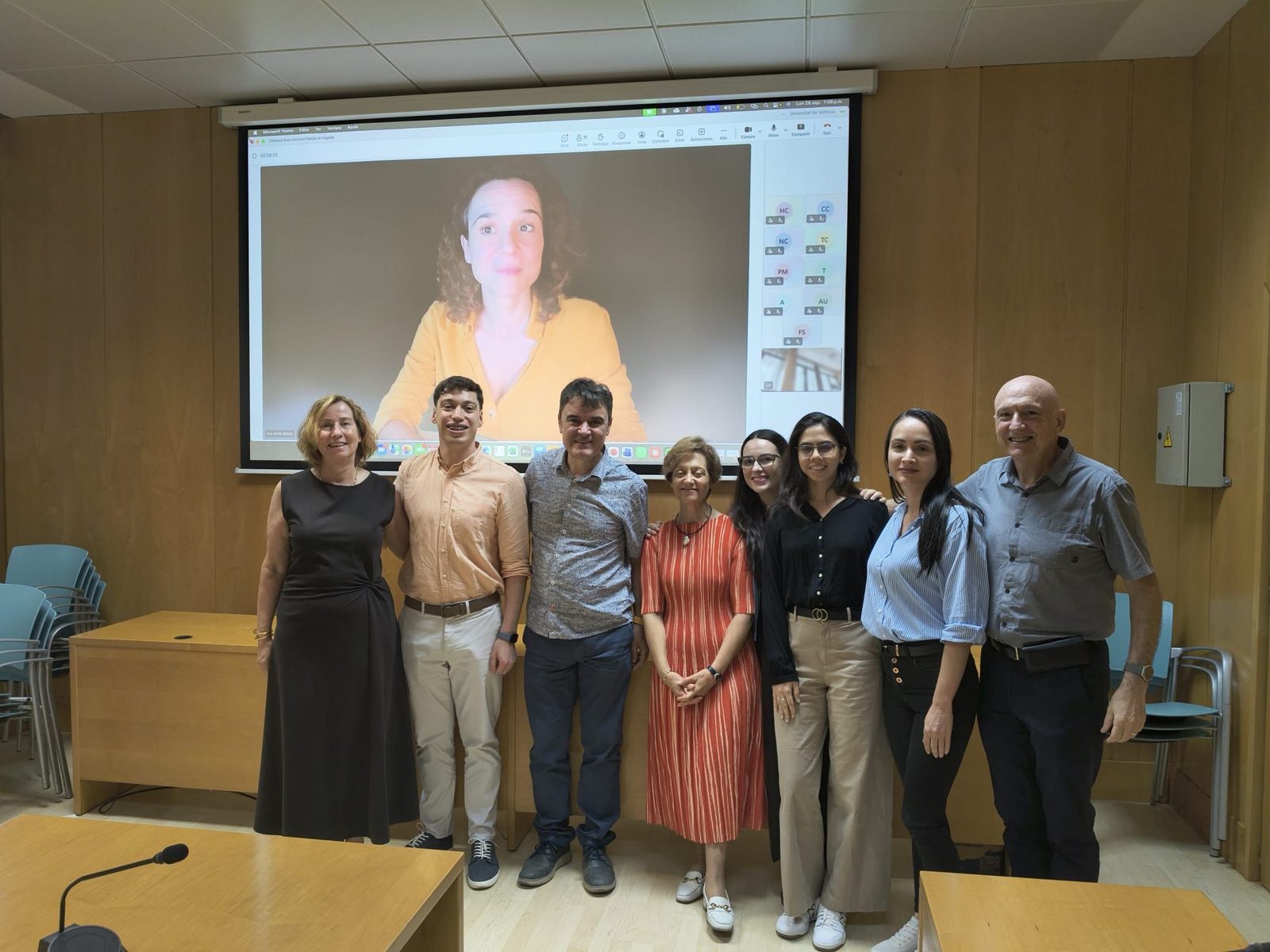
Universitat de València, 2026 · Supervisors: Vicente González-Romá and Eva Ariño · Sobresaliente cum laude, International Mention
This compendium dissertation asks whether workplace technology shapes how jobs are designed, and when that is good or bad for workers. Study 1 uses EWCS 2021 data (about 7,900 employees in 37 countries) to show that ICT use can raise autonomy and workload at the same time, with mixed consequences for engagement and exhaustion. Study 2 follows 554 Spanish workers over three waves to examine how attitudes towards generative AI predict its use, and how that use relates to five core job characteristics, with gains and costs differing by occupational skill level. Study 3 introduces Employee-Centered Technology Implementation (informing, consulting and training employees) and finds it relates to job satisfaction through job autonomy.
The main lesson for organisations: what matters is not only the technology itself, but how it is used and implemented.
Selected presentations
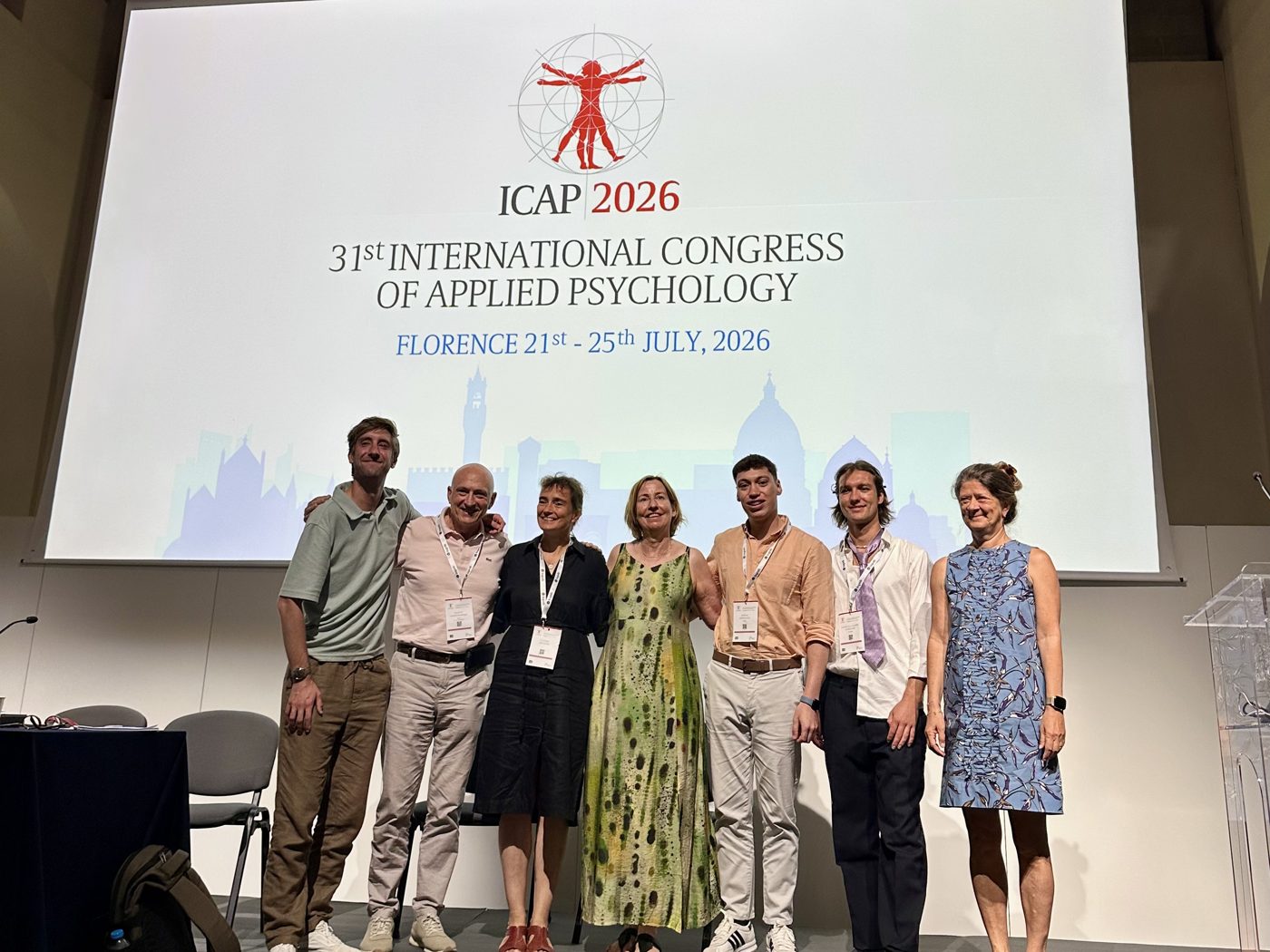
- ICAP 2026, Florence · “Generative AI's influence on job characteristics and meaningfulness: The moderating role of employee attitudes”, in the invited symposium Artificial Intelligence at Work: Friend or Foe?
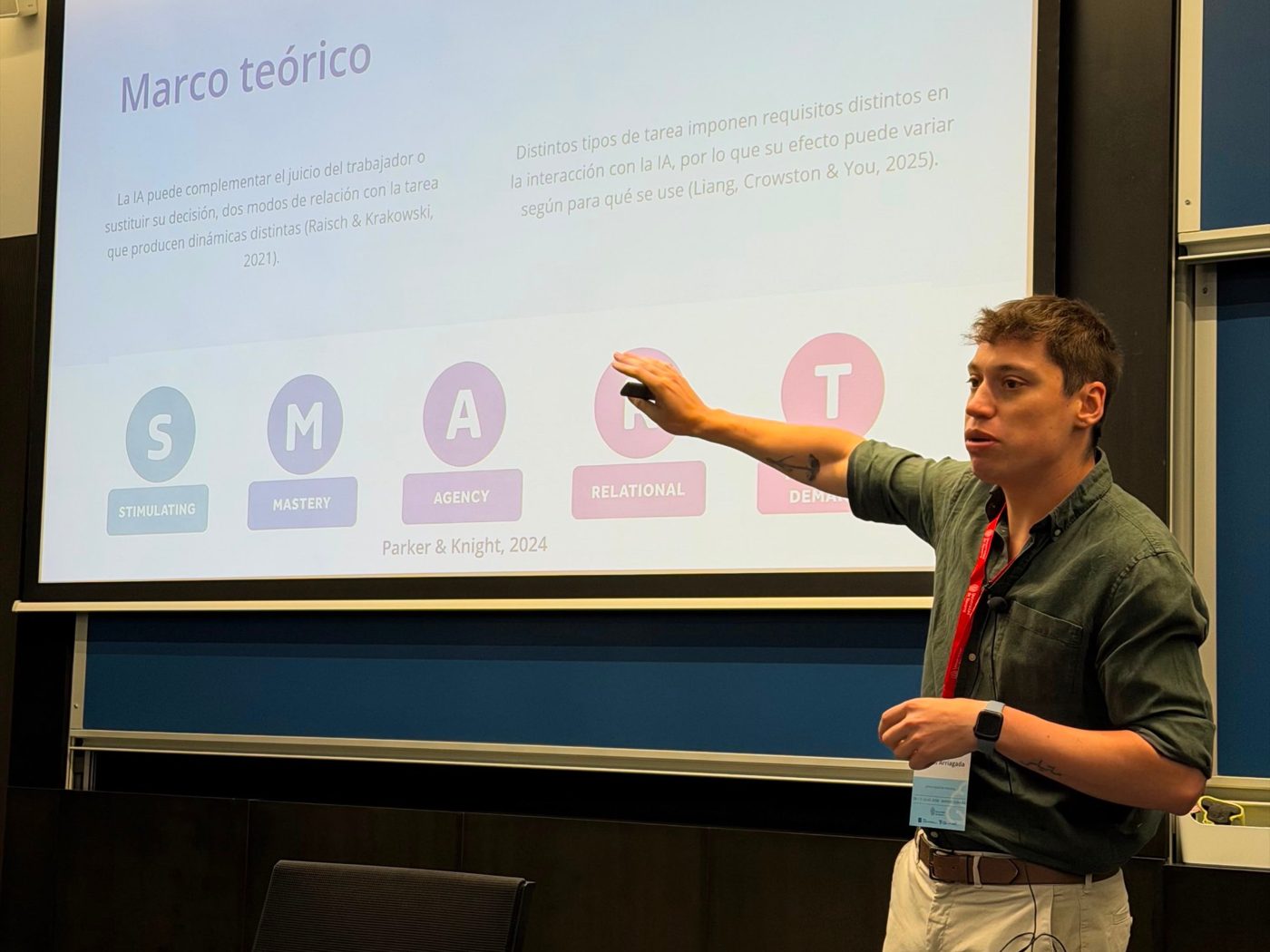
- CIPIE 2026, Madrid · “Generative AI and work characteristics: Does the type of task matter?”, in the symposium New technologies and changes in jobs, leaders and workers